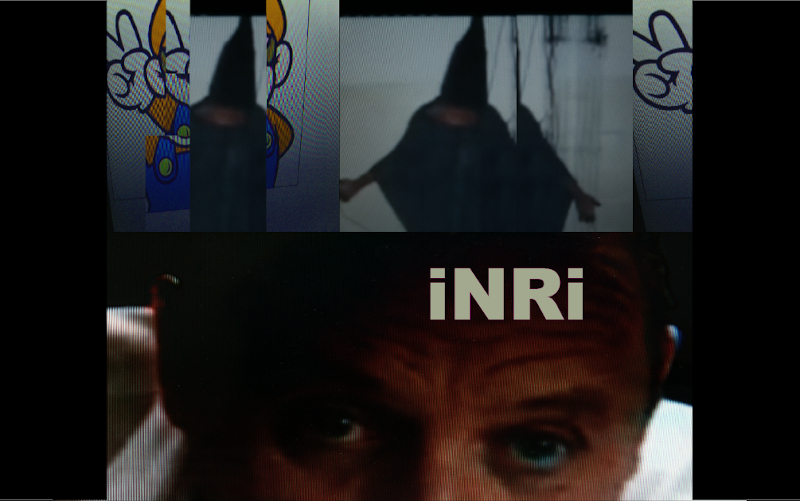
2008-2014
During the years of research and implementation of technological innovations, the automation provided by the electric artifact would have established itself within societies and the economy, describing an especially attractive and stimulating crisis. In fact, within its origins, we can already locate interesting controversies—such as when Max Planck (1858–1947) established his Planck constant and laid the foundation for a true scientific revolution. It was of an intensity extreme enough to eventually alter, years later, even the very methodology of classical empiricism used to obtain information.
It is likely through Planck’s electric oscillators that we can reason the source of this hybridity and its progressive inference into creative activity.
Thus, perhaps by first using the electric artifact for code design or later for the enhancement or alteration of photographs, we would see in this next stage how empiricism gradually loses its legitimacy for representing the object of study. This questions both the value granted to the empirical following the Renaissance and that which arrived expanded by the recognition of the unconscious.
Assuming the presence of this algorithmic automation, the electric would seem to acquire increasing relevance during these years, to the point of displacing even the plausibility attributed to the empirical. Thus, the exercises would seem to instill a hybrid nature into the object of study.
Arising from the ambivalence between the area actually experienced empirically and that other area inferred from the electric skin, hybrid entities would be obtained—entities of hybrid origin, only possible through the interference of the mathematical algorithm as it acts by mimicking the empirical and automating its syntheses into information.