1979-1998
Reflecting on dynamics, customs, or ways of doing things initiated very early on seems to imply having to reason with oneself, without self-deception, if one seeks to obtain reflections of personal value. This is because we would be grappling with, and narrating to ourselves, impulses that were natural at the time and were already tested in childhood.
Thus, we would also enter fully into an ontological debate if we were to treat, moreover, the quality of the information regarded as truthful or plausible. To the extent that this concern must be resolved to reflect on that ancient, spontaneous need to learn, to understand, or to reason the cause or origin of many daily perceptions. Ultimately, we would confirm that those doubts raised by the experience of perceptions would drive us to debate the source of information.
At this point, it would be especially relevant to address the conversion of the expression of information into correct and accurate material. And although classical physics would have attributed the cause of information to the object of study, it is ultimately only expression, because neural dynamics would have had to intervene first.
And enriching an ancient and very interesting controversy, we could consider whether the experience of the object and its stability would remain especially permeated, or not, by these neural dynamics expressed through their own opportunity, independent of the conscious mind. Beyond any will conveniently developed by the individual.
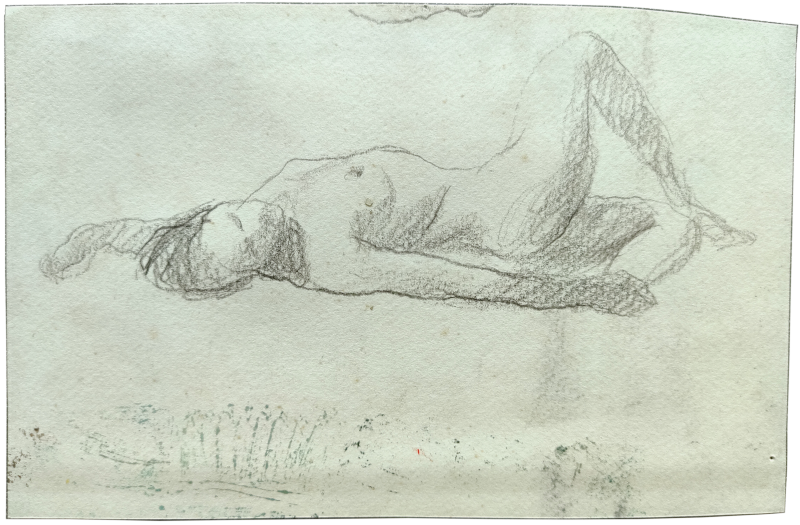
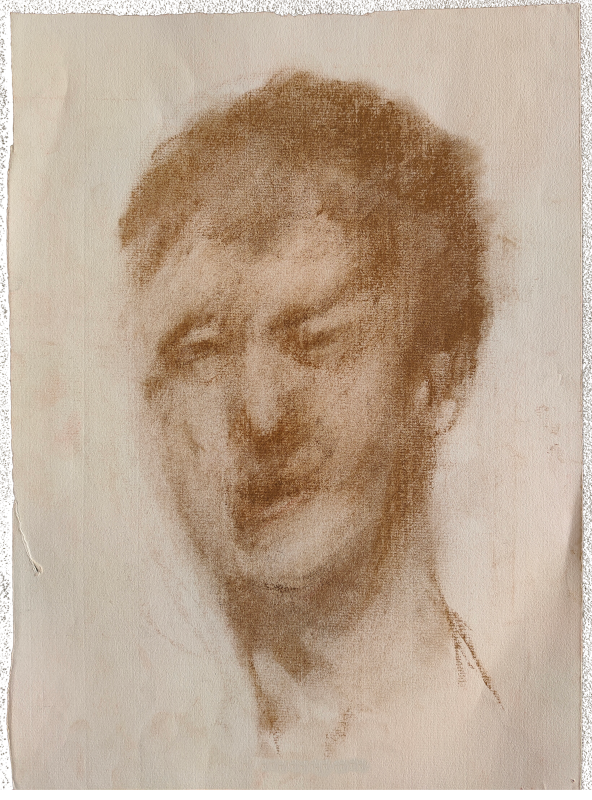
It would be then that an analysis of all the exercises performed over all these years would acquire special value, freed from the conveniences reaffirmed by memory. In this way, the entire set of exercises would describe, perhaps, the evolution or dynamics of a spontaneous and autonomous neural deliberation, free from the bias inferred by conscious thought. It would describe a need arising from a directive different or foreign to the will or interests of that authorship.
To these early years, we could attribute an innate impulse, intensely remembered and continually verified. Permeated by a strange and unusual need to understand the visible and gather it into an interpretation. Into a specific syntax of images, of visual syntheses that would seem to test socially agreed upon and validated representations of cognitions. Those were the early years, and a close and intense relationship with language was beginning.