1998-2003
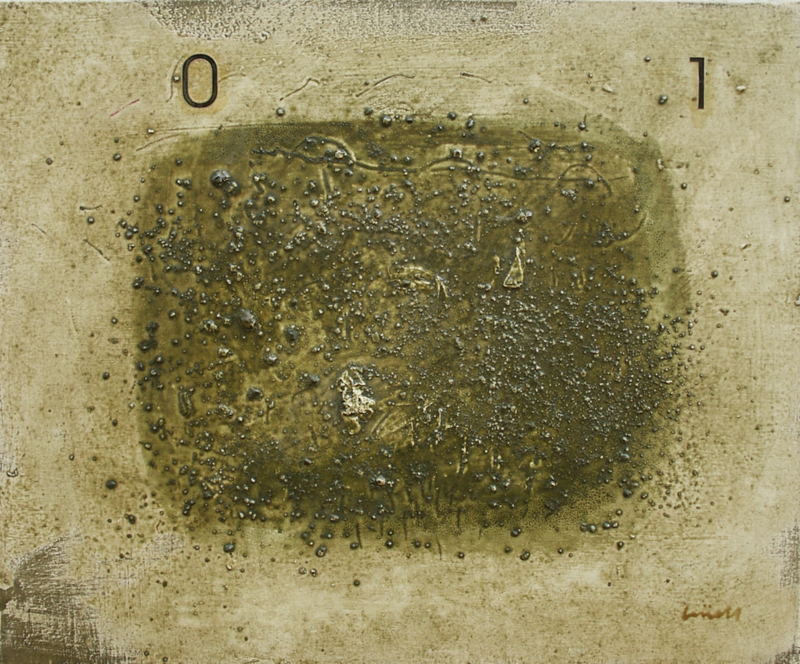
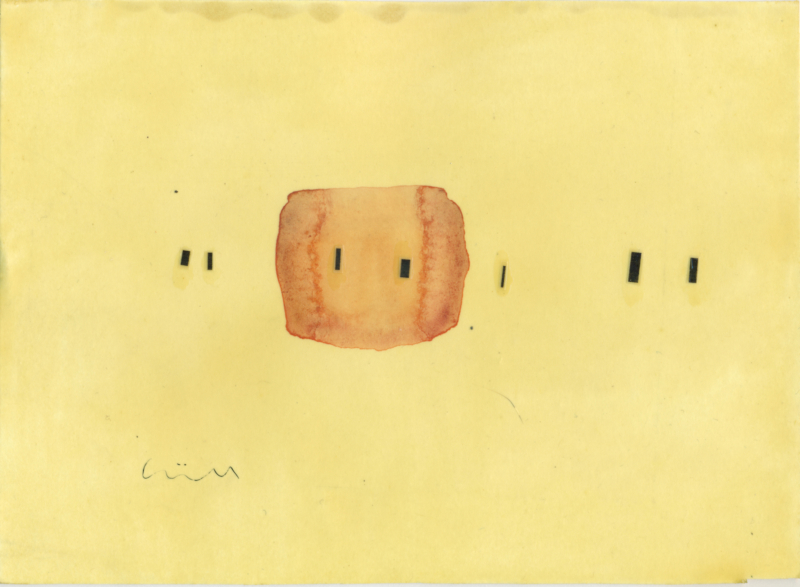
We would consider it especially important to address the influence of the electric in the analysis of the object of study. In this way, the varnish would seem to satisfy the longing to represent the skin of an electric screen, inferred upon all that is empirically known.
In fact, precisely within this varnish, what appears to be a new dimension would unfold—one we could even describe as transcending the empirical. Because although these different encodings would seem to affect and refer to the object of study from the classical position of the omniscient observer, they surprisingly also seem to acquire autonomy and dynamism. They act as if they belong to empirical study but express themselves with autonomy, both through abstraction and figuration, finally stabilizing on their electric surface.
It should be noted that while the oxidation of the varnish was a surprise in the earliest exercises, it was later accepted and repeatedly provoked. In it, the capacity to express an inevitable transition of matter was recognized—permanently unstable under the electric analysis of the code.
Thus, from a free and impulsive intuition, one would approve the metamorphosis of exercises that would disappear, becoming instead a history of digital photographs, scrupulously archived and stored within a biographical continuum.
Assessing it over the years, we would consider that the oxidation of the varnish could not have been more fitting. It seems to reveal itself to describe a corruptibility in matter that, paradoxically, highlights and emphasizes non-material aspects inherent to the creative act and the function of imagination.